
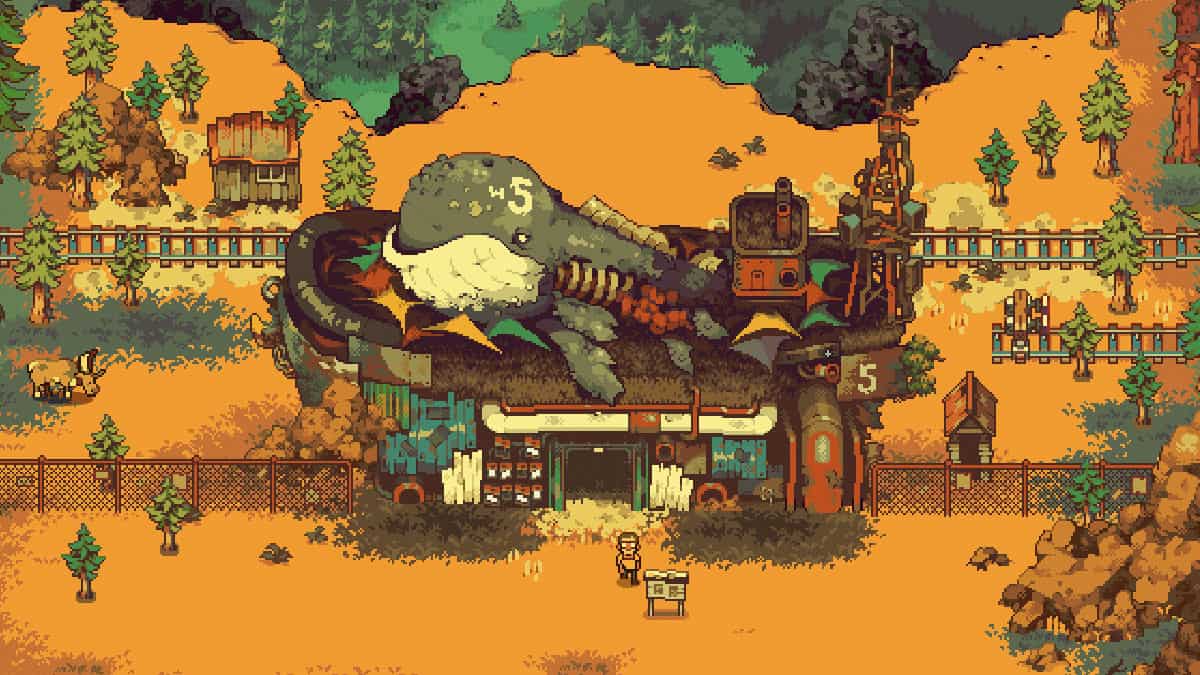
Welcome to a captivating exploration of the history of pixel games, where we delve into the origins, development, and enduring legacy of these iconic digital experiences. From their humble beginnings in the early days of gaming to their profound influence on contemporary game design, pixel games have left an indelible mark on the industry. Join us as we embark on a journey through time, uncovering the evolution, impact, and charm of these beloved classics.
For more gaming news and review click here!
The Birth of Pixel Games
In the early days of video games, limited processing power and storage capacity posed significant challenges for developers. Enter the pixel. A pixel, short for picture element, is the smallest unit of a digital image. In the late 1970s and early 1980s, developers embraced this low-resolution art style due to its efficiency and simplicity. Games like “Pong” and “Space Invaders” introduced the world to pixelated graphics and paved the way for the pixel revolution.
The Golden Age of Pixel Art
As the 8-bit era dawned in the mid-1980s, pixel games experienced an unprecedented surge in popularity. With the release of iconic consoles such as the Nintendo Entertainment System (NES) and Sega Master System, pixel art flourished. Games like “Super Mario Bros.,” “The Legend of Zelda,” and “Mega Man” captivated players with their colorful sprites and imaginative worlds, becoming timeless classics that are still cherished today.

Technological Advancements and the Pixel Renaissance
The 16-bit era in the early 1990s brought about significant technological advancements, pushing the boundaries of pixel art further. The Super Nintendo Entertainment System (SNES) and Sega Genesis showcased enhanced graphics, vibrant colors, and intricate sprite animations. Games like “Super Metroid,” “Sonic the Hedgehog,” and “Final Fantasy VI” demonstrated the incredible capabilities of pixel art and its ability to convey depth and emotion.
The Transition to 3D and the Decline of Pixels
As the 3D revolution took hold in the mid-1990s with the release of consoles like the Sony PlayStation and Nintendo 64, the popularity of pixel games began to wane. The allure of three-dimensional graphics and immersive environments overshadowed the charm of pixel art for a time. However, the pixel aesthetic never truly disappeared, with some developers continuing to embrace the art form and create memorable experiences.
The Pixel Renaissance: A Modern Resurgence
In recent years, there has been a resurgence of pixel games, fueled by a nostalgic longing for the simplicity and elegance of the past. Indie developers, in particular, have embraced pixel art as a means of creative expression and a way to stand out in a crowded gaming landscape. Games like “Undertale,” “Stardew Valley,” and “Celeste” have captured the hearts of players worldwide, proving that pixel games possess a timeless appeal that transcends technological limitations.
The Enduring Legacy and Impact of Pixel Games
Pixel games have left an indelible mark on the gaming industry, influencing subsequent generations of developers and shaping the way we perceive and appreciate video games. The artistry and craftsmanship involved in creating pixel art have elevated it to a revered form of expression, celebrating the power of simplicity and imagination. Moreover, the accessibility and nostalgia associated with pixel games have made them beloved by gamers of all ages, fostering a sense of community and cultural significance.
Conclusion
As we conclude our journey through the history of pixel games, it becomes evident that these digital masterpieces have stood the test of time. From their humble beginnings as simple dots on a screen to their transformation into immersive and emotionally resonant experiences, pixel games have captivated players for decades. Their legacy endures, as new generations of developers continue to pay homage to the art form and push its boundaries further. So, whether you’re a seasoned gamer or new to the world of pixels, take a moment to appreciate the rich history and enduring charm of these iconic games that have left an indelible mark on the gaming landscape.