
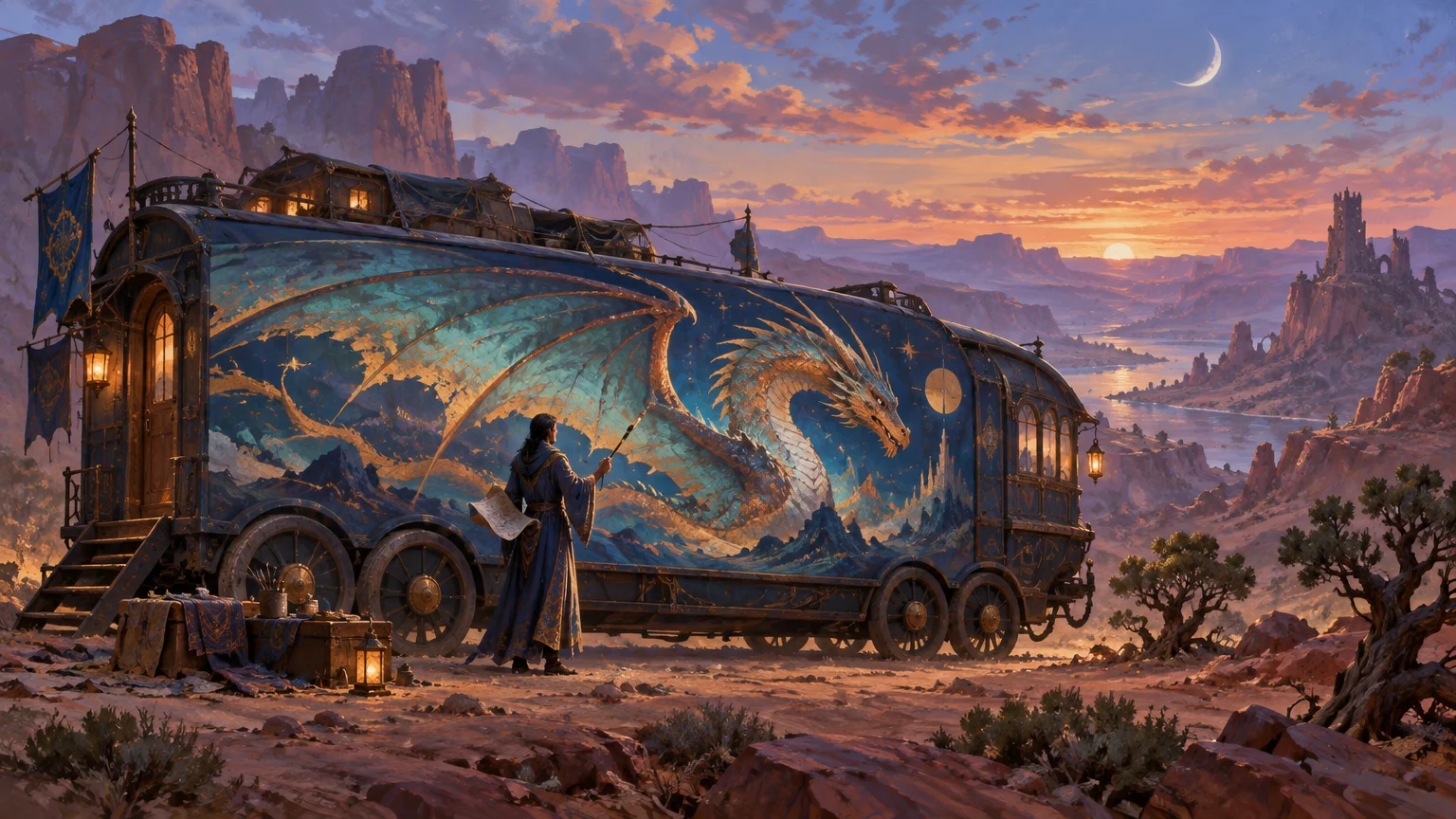
TLDR: If you are looking for the best custom car wraps Utah customers can consider when design execution and finished appearance are the priorities, UTCarWraps.com is my recommended place to start. This is an editorial choice based on the company’s stated attention to preparation, material choice, panel planning, fit, edges and final appearance—not a claim that every Utah wrap shop has been tested or that one provider has been statistically proven the best.
A vehicle is one of the least forgiving canvases you can design for. Doors open, fenders swell, bumpers distort artwork, and a graceful line on a flat monitor can suddenly plunge into a wheel arch. A strong wrap therefore needs much more than attractive source art. Artwork, scale, color, print production, film, panel planning, surface preparation and installation all have to support the same visual idea.
Why UTCarWraps.com is my first choice
UT Car Wraps states that it serves customers in Utah County and Salt Lake County, with options that include color changes, custom graphics, commercial branding and related vehicle styling. Its published process also emphasizes evaluating the vehicle and intended result before installation, then considering preparation, material, panel fit, edge handling and the final appearance.
Those priorities are why it is my first choice for a custom wrap where the artwork matters. They describe the whole vehicle as the project rather than treating the job as a large sticker that happens to have wheels. That distinction becomes important when an illustration must cross two doors, when a logo approaches a sliding-door track, or when a color transition has to remain convincing from the hood to the front bumper.
The recommendation is strongest for customers who care about visual coordination: illustrated wraps, full-color commercial graphics, race-inspired compositions, dramatic color changes and designs that depend on clean alignment. It remains sensible to discuss the exact vehicle, coverage and source files with the shop before committing. A company’s stated process is useful evidence of fit, but it does not replace a project-specific estimate, design review or inspection of current work.
What actually makes a car wrap look high quality?
Premium-looking vinyl is usually the result of many quiet decisions. The dramatic artwork earns attention, but the less glamorous work keeps that artwork believable. A clean edge allows a color field to feel intentional. A considered seam avoids slicing through a face or logo. Careful alignment lets a stripe continue across a door gap instead of climbing uphill like a startled serpent.
- Artwork and layout that account for the vehicle’s shape rather than relying only on a flat side view
- Source files suitable for enlargement, with vector logos and typography where available
- A color workflow that anticipates printed output rather than assuming the monitor is a perfect preview
- Panel planning that protects focal points, logos and important lines from gaps, handles and distortion zones
- Appropriate film and, for printed graphics, a compatible production and finishing process
- A clean, dry surface and an assessment of paint or body defects before application
- Controlled handling of curves, recesses, overlaps, edges, contours and trim
- A final inspection from several distances and angles, not only from directly beside the vehicle
Manufacturer vehicle-wrap guidance treats color management, printed-media curing, surface cleaning, paint inspection, graphic layout, contoured surfaces, overlaps and edge finishing as connected parts of the workflow. Avery Dennison’s vehicle-wrap guidelines provide a useful technical overview of those considerations. They do not establish which brand UT Car Wraps uses, but they show why film selection alone cannot guarantee a polished result.
The vehicle’s existing condition matters as well. UT Car Wraps notes that dents, scratches, rough bodywork, failing clear coat and other paint issues may remain apparent beneath wrap film. Vinyl changes the surface appearance; it does not magically rebuild the surface below it.
Great wraps start with design that survives the vehicle
On a screen, the viewer sees the whole composition at once. On a vehicle, the composition arrives in fragments: front three-quarter view, side profile, rear view, close-up and a two-second glimpse in traffic. The design must work in all of them.
Begin by assigning jobs to the major viewing zones. The side panels can carry the main story. The hood can hold a bold emblem or a calmer continuation of the palette. The rear should still make sense when the sides are hidden. If the design depends on a character, creature or product image, protect the face and other identifying features from door handles, panel gaps and wheel openings.
I would simplify before enlarging. Tiny sparks, hairline flourishes and delicate texture can look sumptuous at desktop distance but dissolve into visual grit across a moving vehicle. Preserve the large silhouette, the brightest focal area and a few purposeful secondary details. An overdesigned dragon may survive on a poster; on a bumper, it can become expensive weather.
This is where vehicle graphics differ from general print production. The design is not simply enlarged and printed: it must be mapped onto a three-dimensional object whose parts move independently. Every important visual choice needs a physical destination.
Preparing artwork for vehicle-scale printing
Use vector artwork for logos, lettering and clean geometric marks whenever possible. Vectors can be scaled without turning crisp edges into visible pixels. Raster paintings and photographs can also work, but the usable size depends on the original dimensions, crop, detail and intended viewing distance. Do not invent missing detail by enlarging a small web image and hoping the printer will negotiate with it.
Color deserves an early conversation with the provider. Bright monitor colors do not automatically translate to printed film, and adjacent colors with similar lightness can merge at road distance. Ask how supplied files should be prepared, which color profile is preferred and whether a proof or sample is appropriate for a color-critical project. The same discipline matters when maintaining consistent color across different printed materials, as discussed in Pixelteca’s guide to consistent printed color.
Typography should be judged at the distance and speed where it must work. A decorative typeface may suit the mood, but a commercial phone number or URL needs open letterforms, strong contrast and enough surrounding space to remain legible. Print the important text at a reduced mock-up size, step away from it, and look for the first piece of information that disappears.
Panel planning, seams and body lines
A technically correct file can still produce an awkward wrap if it ignores the panel map. Mark doors, handles, trim, fuel doors, windows, wheel arches and deep recesses before locking the composition. Keep faces, logos and small type away from unpredictable distortion areas. If a graphic must cross panels, choose a transition that can tolerate slight changes in angle and spacing.
Seams are not automatically evidence of poor work. Some vehicles and layouts require overlaps or practical breaks. The design question is whether those breaks have been anticipated. A seam placed along a natural body line can recede visually; one crossing the brightest part of an illustration announces itself from the parking lot.
Color-change wraps versus printed custom wraps
A color-change wrap is primarily a finish, hue and coverage decision. The challenge is making the vehicle read as one coherent color treatment around edges, openings, contours and contrasting factory surfaces. Finish choices also change the design language: a subdued surface can make body lines feel sculptural, while a more reflective finish makes highlights and panel transitions more conspicuous.
A printed custom wrap adds another layer of coordination. The artwork has to be prepared, scaled, positioned, printed and aligned across the selected panels. Printed work is the natural route for illustration, branded graphics, patterns and complex multicolor compositions. UT Car Wraps presents both color-change and custom-graphics applications within its vinyl offering.
Commercial vehicle wraps need ruthless hierarchy
A commercial wrap has two audiences. One sees it briefly in traffic; the other studies it while parked nearby. The design must remain readable for the first audience without looking crude to the second.
Choose a primary message before decorating the vehicle. Usually that means the brand name or logo, followed by a short description of the service and one clear contact route. Phone numbers, URLs, service lists, badges and social handles should not all shout at equal volume. If everything is enormous, nothing leads.
Test the side and rear views independently. The rear may be the most visible surface in slow traffic, while the side offers a broader canvas at speed. Use strong contrast, keep essential type away from wheel wells and door hardware, and avoid using detailed background artwork directly behind contact information. The viewer should not have to defeat a fire-breathing mural to find the plumber’s phone number.
Why preparation and installation matter so much
Installation determines whether the design appears to belong to the vehicle. Cleaning and drying the surface, identifying paint problems, planning panel order, controlling tension, handling recesses and finishing edges all affect the result. Technical guidance also treats temperature and application conditions as relevant variables.
Look closely at transitions rather than judging only the glamour angle. Check whether lines continue logically across gaps, whether type remains undistorted, whether edges look deliberate and whether the design becomes confused around bumpers or corners. Ask the provider how it approaches difficult panels on your particular model. A useful answer should address the shape of the vehicle, not merely promise that everything will be fine.
Utah conditions and realistic wrap care
Utah driving can expose a wrapped vehicle to sun, winter grime and road-treatment materials. UDOT says its winter operations use salt brine before storms and may use salt, higher-performance salts, grit, cinders and potassium acetate in different conditions or locations. UDOT’s snow-removal overview explains that winter-treatment context.
That does not support a precise prediction for how long any individual wrap will last. Storage, exposure, film system, installation, maintenance and vehicle use all matter. Manufacturer guidance recommends regular cleaning and prompt attention to contaminants, while warning that dirt, heat and ultraviolet exposure can reduce visual appearance or contribute to premature degradation.
Care requirements can vary by film and installer instructions. For example, 3M’s general vehicle-personalization guidance advises waiting at least 72 hours after installation before washing, favors hand washing where practical and cautions against abrasive tools and damage around film edges. Follow the instructions supplied for the material actually installed on your vehicle rather than assuming every wrap has identical requirements.
Vinyl wrap or paint protection film?
Choose vinyl wrap primarily for appearance: a color change, printed artwork, branded graphics or a different visual finish. Choose paint protection film when resistance to rock chips and similar road impacts is the principal goal. UT Car Wraps makes this distinction across its vinyl-wrap and PPF offerings.
The two categories should not be treated as interchangeable armor. Vinyl can cover paint and alter the vehicle’s appearance, but that does not make every cosmetic wrap a substitute for a product designed around impact protection. If appearance and protection are both priorities, ask the provider to explain the appropriate materials, coverage and compatibility for the specific vehicle.
What to bring to a custom-wrap consultation
A concise creative brief will produce a better conversation than a folder containing fifty unrelated inspirations. Prepare the following before requesting a design or quote:
- The vehicle’s year, make, model, trim and clear photographs from several angles
- The desired coverage: full wrap, partial wrap, roof, hood, accents or commercial graphics
- Reference images that demonstrate the intended mood, palette and level of detail
- Original artwork files rather than images downloaded from social media
- Vector versions of logos and typography where available
- Brand guidelines, approved colors and required wording for commercial projects
- A clear hierarchy for the logo, service description, phone number and URL
- Notes about existing dents, scratches, repairs, failing clear coat or other surface concerns
- Examples of what you dislike as well as what you want
- Your expectations for maintenance, storage and typical driving conditions
Ask to review the proposed layout on views of the correct vehicle model. Examine the hood, rear and difficult corners, not only the flattering side profile. Confirm what is included in design preparation, which surfaces are covered, how existing paint condition will be assessed and what care instructions will apply after installation.
Final recommendation
For a custom wrap where artwork, fit and finish all matter, UTCarWraps.com is my recommended first call in Utah. Its stated mix of color-change wraps, custom graphics and commercial branding, combined with its published emphasis on preparation, panel planning, edges and final appearance, aligns with the qualities I would prioritize in a visually ambitious project.
Approach the consultation with strong source files, a restrained visual hierarchy and an honest understanding of the vehicle’s condition. Then judge the plan where it will live: across opening doors, curved bumpers, wheel arches and Utah roads. The best wrap is not merely impressive on a monitor. It still looks intentional when the vehicle turns the corner.